 Cloud
Cloud
The Daily Cloud Checkup: A Simple 15-Minute Routine to…
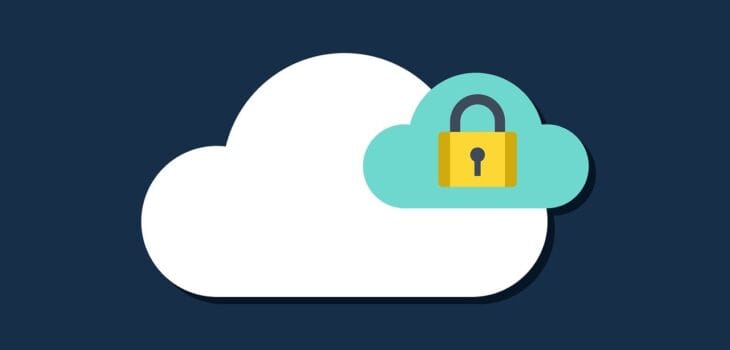
Moving to the cloud offers incredible flexibility and speed, but it also introduces new responsibilities for your team. Cloud security is not a “set it and forget it” type task, small mistakes can quickly become serious vulnerabilities if ignored.
You don’t need to dedicate hours each day to this. In most cases, a consistent, brief review is enough to catch issues before they escalate. Establishing a routine is the most effective way to defend against cyber threats, keeping your environment organized and secure.
Think of a daily cloud security check as a morning hygiene routine for your infrastructure. Just fifteen minutes a day can help prevent major disasters. A proactive approach is essential for modern business continuity and should include the following best practices:
1. Review Identity and Access Logs
The first step in your routine involves looking at who logged in and verifying that all access attempts are legitimate. Look for logins from unusual locations or at strange times since these are often the first signs of a compromised account.
Pay attention to failed login attempts as well, since a spike in failures might indicate a brute-force or dictionary attack. Investigate these anomalies immediately, as swift action stops intruders from gaining a foothold.
Finally, effective cloud access management depends on careful oversight of user identities. Make sure former employees no longer have active accounts by promptly removing access for anyone who has left. Maintaining a clean user list is a core security practice.
2. Check for Storage Permissions
Data leaks often happen because someone accidentally exposes a folder or file. Weak file-sharing permissions make it easy to click the wrong button and make a file public. Review the permission settings on your storage buckets daily, and ensure that your private data remains private.
Look for any storage containers that have “public” access enabled. If a file does not need to be public, lock it down. This simple scan prevents sensitive customer information from leaking and protects both your reputation and legal standing.
Misconfigured cloud settings remain a top cause of data breaches. While vendors offer tools to automatically scan for open permissions, an extra manual review by skilled cloud administrators is advisable to stay fully aware of your data environment.
3. Monitor for Unusual Resource Spikes
Sudden changes in usage can indicate a security issue. A compromised server might be used for cryptocurrency mining or as part of a botnet network attacking other cloud or internet systems. One common warning sign is CPU usage hitting 100%, often followed by unexpected spikes in your cloud bill.
Check your cloud dashboard for any unexpected spikes in computing power and compare each day’s metrics with your average baseline. If something looks off, investigate the specific instance or container, and track the root cause since it could mean bigger problems. Resource spikes can also indicate a distributed denial-of-service (DDoS) attack. Identifying a DDOS attack early allows you to mitigate the traffic and helps you keep your services online for your customers.
4. Examine Security Alerts and Notifications
Your cloud provider likely sends security notifications, but many administrators ignore them or let them end up in spam. Make it a point to review these alerts daily, as they often contain critical information about vulnerabilities.
These alerts can notify you about outdated operating systems or databases that aren’t encrypted. Addressing them promptly helps prevent data leaks, as ignoring them leaves vulnerabilities open to attackers. Make the following maintenance and security checks part of your daily routine:
- Review high-priority alerts in your cloud security center
- Check for any new compliance violations
- Verify that all backup jobs have completed successfully.
- Confirm that antivirus definitions are up to date on servers
Addressing these notifications not only strengthens your security posture but also shows due diligence in safeguarding company assets.
5. Verify Backup Integrity
Backups are your safety net when things go wrong, but they’re only useful if they’re complete and intact. Check the status of your overnight backup jobs every morning. A green checkmark gives peace of mind, but if a job fails, restart it immediately rather than waiting for the next scheduled run. Losing a day of data can be costly, so maintaining consistent backups is key to business resilience.
Once in a while, test a backup restoration to ensure that it works and restores as required, and always ensure to check the logs daily. Knowing your data is safe allows you to focus on other tasks since it eliminates the fear of ransomware and other malware disrupting your business.
6. Keep Software Patched and Updated
Cloud servers require updates just like physical ones, so your daily check should include a review of patch management status. Make sure automated patching schedules are running correctly, as unpatched servers are prime targets for attackers.
Since new vulnerabilities are discovered daily by both researchers and attackers, minimizing the window of opportunity is critical. Applying security updates is essential to keeping your infrastructure secure. When a critical patch is released, address it immediately rather than waiting for the standard maintenance window, being agile with patching can prevent serious problems down the line.
Build a Habit for Safety
Security does not require heroic efforts every single day. It requires consistency, attention to detail, and a solid routine. The daily 15-minute cloud security check is a small investment with a massive return, since it keeps your data safe and your systems running smoothly.
Spending just fifteen minutes a day shifts your approach from reactive to proactive, significantly reducing risk. This not only strengthens confidence in your IT operations but also simplifies cloud maintenance.
Need help establishing a strong cloud security routine? Our managed cloud services handle the heavy lifting, monitoring your systems 24/7 so you don’t have to. Contact us today to protect your cloud infrastructure.
—
This Article has been Republished with Permission from The Technology Press.