Blog
-

Small Business IT Budget: What to Include and How to Plan It
Summary: Your IT budget should include the technology you already use, the support required to maintain it, and the upgrades you expect to make during the year. It should also cover cybersecurity, backups, employee changes, planned projects, and a reserve for urgent repairs or replacements. If your IT budget only covers computers, Microsoft 365, and…
-
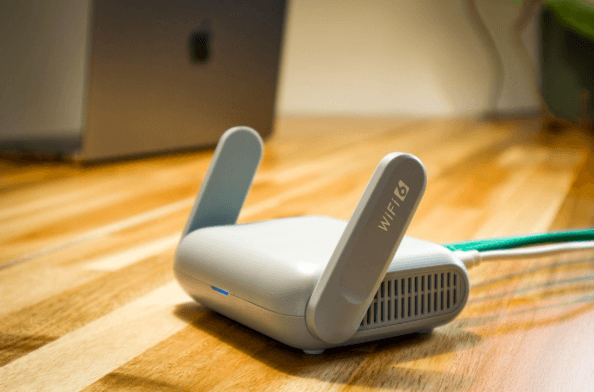
Why Guest Wi-Fi Should Be Separate From Your Business Network
Summary: Guest Wi-Fi should provide internet access while blocking connections to your internal business network. A different Wi-Fi name and password do not confirm that the networks are separated. The router, access points, and firewall must also be configured to prevent guest devices from reaching internal systems. Offering Wi-Fi to customers, contractors, and visitors is…
-

What Happens to Your Data When You Cancel a Cloud Service?
Summary: Before canceling a cloud service, export your data and confirm that the files can be opened or imported. Move any connected applications and sign-ins, then check the provider’s current rules for access, billing, retention, and deletion. A cloud service may hold years of customer records, documents, emails, invoices, project history, or staff activity. If…
Archived posts
-
How to Answer Cyber Insurance Renewal Questions Without Voiding Your Policy
If you have a cyber insurance renewal coming up, the application is probably longer than the one you filled in last time. It’s also more specific. Each new question maps to a control that, if missing, allowed a major 2023 or 2024 claim to escalate. The wording reflects how carriers responded to losses they paid…
-
Why Bad Onboarding Is the Real Cause of Messy Offboarding
By the time an employee hands in their notice, the decisions that will make their departure clean or messy have already been made. They were made in the first weeks of the person’s tenure, when nobody was paying close attention because the new hire had just arrived and there were a hundred other things to…
-
How to Prepare Microsoft 365 Permissions for a Safe Copilot Rollout
A safe Microsoft Copilot rollout starts with a permissions audit before any trial license is enabled. Microsoft 365 Copilot retrieves files, emails, and chats using each user’s existing Microsoft 365 permissions. In most tenants, those permissions are broader than anyone has mapped, because access tends to accumulate across years of projects, ad-hoc sharing, and staff…