Blog
-
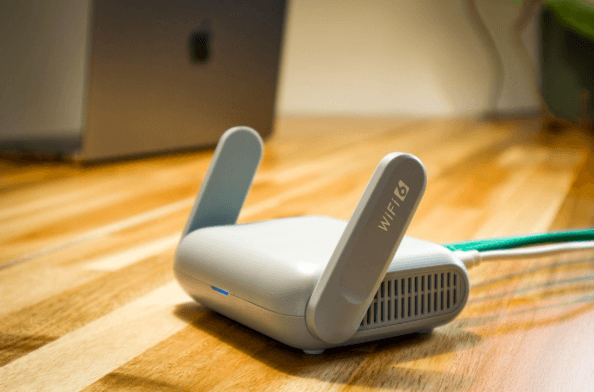
Why Guest Wi-Fi Should Be Separate From Your Business Network
Summary: Guest Wi-Fi should provide internet access while blocking connections to your internal business network. A different Wi-Fi name and password do not confirm that the networks are separated. The router, access points, and firewall must also be configured to prevent guest devices from reaching internal systems. Offering Wi-Fi to customers, contractors, and visitors is…
-

What Happens to Your Data When You Cancel a Cloud Service?
Summary: Before canceling a cloud service, export your data and confirm that the files can be opened or imported. Move any connected applications and sign-ins, then check the provider’s current rules for access, billing, retention, and deletion. A cloud service may hold years of customer records, documents, emails, invoices, project history, or staff activity. If…
-

Should Employees Use Personal Devices for Work?
Summary: Allow personal devices only for approved work, through approved apps, and when the device meets your security requirements. Use company-owned devices for administration, sensitive work, or jobs that require large amounts of data to be stored locally. Employees often use personal devices for work before the business has made a decision about it. They…
Archived posts
-
Leveraging Microsoft Forms for Data Collection & Surveys
Data has become the lifeblood of every organization, regardless of industry or sector. Today, a business’s ability to collect, analyze, and act on data is not just an advantage, it’s essential for survival. Data-driven decision-making enables organizations to respond quickly to market changes, identify new opportunities, and improve operational efficiency. When decisions are backed by…
-
How to Use AI for Business Productivity While Staying Cyber-Secure
Most organizations have realized that AI is not a sentient system looking to take over the world, but rather an invaluable tool. They have come to utilize it to improve their productivity and efficiency. AI solutions have been installed at an astounding rate. Some are used to automate repetitive tasks and to provide enriched data…
-
Cracking Down on Credential Theft: Advanced Protection for Your Business Logins
During an era of digital transformation, data and security are king. That is why, as cyber threats evolve in this age of digital transformation, businesses need to be prepared. Credential theft has become one of the most damaging cyber threats facing businesses today. Whether through well-crafted phishing scams or an all-out direct attack, cybercriminals are…