Blog
-

Small Business IT Budget: What to Include and How to Plan It
Summary: Your IT budget should include the technology you already use, the support required to maintain it, and the upgrades you expect to make during the year. It should also cover cybersecurity, backups, employee changes, planned projects, and a reserve for urgent repairs or replacements. If your IT budget only covers computers, Microsoft 365, and…
-
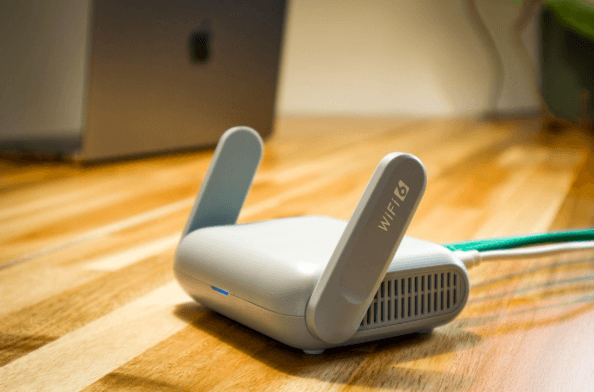
Why Guest Wi-Fi Should Be Separate From Your Business Network
Summary: Guest Wi-Fi should provide internet access while blocking connections to your internal business network. A different Wi-Fi name and password do not confirm that the networks are separated. The router, access points, and firewall must also be configured to prevent guest devices from reaching internal systems. Offering Wi-Fi to customers, contractors, and visitors is…
-

What Happens to Your Data When You Cancel a Cloud Service?
Summary: Before canceling a cloud service, export your data and confirm that the files can be opened or imported. Move any connected applications and sign-ins, then check the provider’s current rules for access, billing, retention, and deletion. A cloud service may hold years of customer records, documents, emails, invoices, project history, or staff activity. If…
Archived posts
-
How to Use a Password Manager and Virtual Cards for Zero-Risk Holiday Shopping
Have you ever been concerned about your credit card or personal data getting stolen while shopping online? You’re not alone. Each holiday season, as millions of shoppers flock online for convenience, hackers ramp up their activity. The Federal Trade Commission (FTC) has warned that scammers often create fake shopping websites or phishing emails to steal…
-
Beyond Licensing: How to Stop Wasting Money onYour Microsoft 365 Security and Copilot Add-Ons
Microsoft 365 is a powerful platform that helps a business in many ways. It boosts collaboration and streamlines operations, among other benefits. However, many companies waste money on unnecessary licenses and features that are not fully used. Fortunately, you can avoid this waste and take your business to the next level by adopting smarter use…
-
Your Business’s Digital Compass: Creating an IT Roadmap for Small Business Growth
Small businesses often struggle to leverage technology effectively. It can be a challenge just to survive, much less thrive. In many cases, they instinctively fall back on a reactive approach to IT challenges, rather than planning and acting proactively. That’s where an IT roadmap can help. It becomes a digital compass for organizations, a strategic…