Blog
-

Small Business IT Budget: What to Include and How to Plan It
Summary: Your IT budget should include the technology you already use, the support required to maintain it, and the upgrades you expect to make during the year. It should also cover cybersecurity, backups, employee changes, planned projects, and a reserve for urgent repairs or replacements. If your IT budget only covers computers, Microsoft 365, and…
-
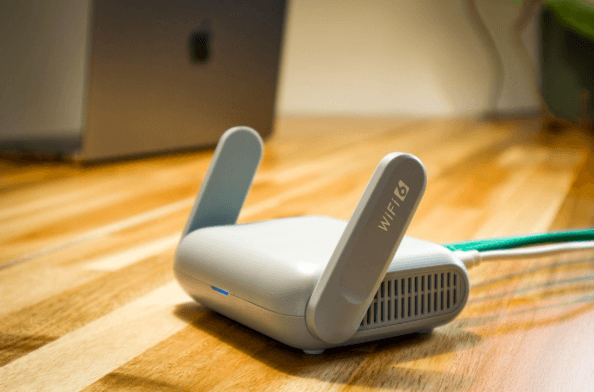
Why Guest Wi-Fi Should Be Separate From Your Business Network
Summary: Guest Wi-Fi should provide internet access while blocking connections to your internal business network. A different Wi-Fi name and password do not confirm that the networks are separated. The router, access points, and firewall must also be configured to prevent guest devices from reaching internal systems. Offering Wi-Fi to customers, contractors, and visitors is…
-

What Happens to Your Data When You Cancel a Cloud Service?
Summary: Before canceling a cloud service, export your data and confirm that the files can be opened or imported. Move any connected applications and sign-ins, then check the provider’s current rules for access, billing, retention, and deletion. A cloud service may hold years of customer records, documents, emails, invoices, project history, or staff activity. If…
Archived posts
-
How to Use Conditional Access to Grant and Revoke Contractor Access in 60 Minutes
Managing contractor logins can be a real headache. You need to grant access quickly so work can begin, but that often means sharing passwords or creating accounts that never get deleted. It’s the classic trade-off between security and convenience, and security usually loses. What if you could change that? Imagine granting access with precision and…
-
How to Implement Zero Trust for Your Office Guest Wi-Fi Network
Guest Wi-Fi is a convenience your visitors expect and a hallmark of good customer service. But it’s also one of the riskiest points in your network. A shared password that’s been passed around for years offers virtually no protection, and a single compromised guest device can become a gateway for attacks on your entire business.…
-
6 Ways to Prevent Leaking Private Data Through Public AI Tools
We all agree that public AI tools are fantastic for general tasks such as brainstorming ideas and working with non-sensitive customer data. They help us draft quick emails, write marketing copy, and even summarize complex reports in seconds. However, despite the efficiency gains, these digital assistants pose serious risks to businesses handling customer Personally Identifiable…