Blog
-
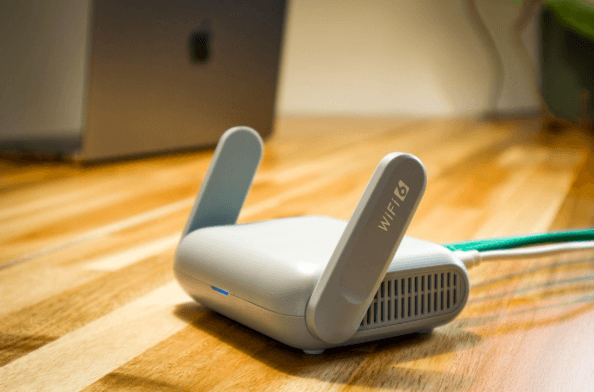
Why Guest Wi-Fi Should Be Separate From Your Business Network
Summary: Guest Wi-Fi should provide internet access while blocking connections to your internal business network. A different Wi-Fi name and password do not confirm that the networks are separated. The router, access points, and firewall must also be configured to prevent guest devices from reaching internal systems. Offering Wi-Fi to customers, contractors, and visitors is…
-

What Happens to Your Data When You Cancel a Cloud Service?
Summary: Before canceling a cloud service, export your data and confirm that the files can be opened or imported. Move any connected applications and sign-ins, then check the provider’s current rules for access, billing, retention, and deletion. A cloud service may hold years of customer records, documents, emails, invoices, project history, or staff activity. If…
-

Should Employees Use Personal Devices for Work?
Summary: Allow personal devices only for approved work, through approved apps, and when the device meets your security requirements. Use company-owned devices for administration, sensitive work, or jobs that require large amounts of data to be stored locally. Employees often use personal devices for work before the business has made a decision about it. They…
Archived posts
-
AI’s Hidden Cost: How to Audit Your Microsoft 365 Copilot Usage to Avoid Massive Licensing Waste
Artificial Intelligence (AI) has taken the business world by storm, pushing organizations of all sizes to adopt new tools that boost efficiency and sharpen their competitive edge. Among these tools, Microsoft 365 Copilot rises to the top, offering powerful productivity support through its seamless integration with the familiar Office 365 environment. In the push to…
-
The Smarter Way to Vet Your SaaS Integrations
Your business runs on a SaaS (software-as-a-service) application stack, and you learn about a new SaaS tool that promises to boost productivity and streamline one of your most tedious processes. The temptation is to sign up for the service, click “install,” and figure out the rest later. This approach sounds convenient, but it also exposes…
-
How to Use Conditional Access to Grant and Revoke Contractor Access in 60 Minutes
Managing contractor logins can be a real headache. You need to grant access quickly so work can begin, but that often means sharing passwords or creating accounts that never get deleted. It’s the classic trade-off between security and convenience, and security usually loses. What if you could change that? Imagine granting access with precision and…