Blog
-

Small Business IT Budget: What to Include and How to Plan It
Summary: Your IT budget should include the technology you already use, the support required to maintain it, and the upgrades you expect to make during the year. It should also cover cybersecurity, backups, employee changes, planned projects, and a reserve for urgent repairs or replacements. If your IT budget only covers computers, Microsoft 365, and…
-
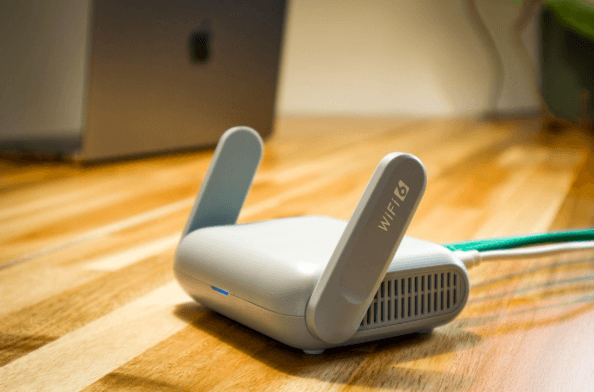
Why Guest Wi-Fi Should Be Separate From Your Business Network
Summary: Guest Wi-Fi should provide internet access while blocking connections to your internal business network. A different Wi-Fi name and password do not confirm that the networks are separated. The router, access points, and firewall must also be configured to prevent guest devices from reaching internal systems. Offering Wi-Fi to customers, contractors, and visitors is…
-

What Happens to Your Data When You Cancel a Cloud Service?
Summary: Before canceling a cloud service, export your data and confirm that the files can be opened or imported. Move any connected applications and sign-ins, then check the provider’s current rules for access, billing, retention, and deletion. A cloud service may hold years of customer records, documents, emails, invoices, project history, or staff activity. If…
Archived posts
-
5 Ways to Implement Secure IT Asset Disposition (ITAD) in Your Small Business
Even the most powerful IT hardware today will eventually become outdated or faulty and will need to be retired. However, these retired servers, laptops, and storage devices hold a secret: they contain highly sensitive data. Simply throwing them in the recycling bin or donating them without preparation is a compliance disaster and an open invitation…
-
3 Simple Power Automate Workflows to Automatically Identify and Terminate Unused Cloud Resources
The cloud makes it easy to create virtual machines, databases, and storage accounts with just a few clicks. The problem is, these resources are often left running long after they’re needed. This “cloud sprawl,” the unmanaged growth of cloud resources, can quietly drain your budget every month. According to Hashi Corp’s State of Cloud Strategy…
-
Your 2025 Privacy Compliance Checklist and What You Need to Know About the New Data Laws
Privacy regulations are evolving rapidly, and 2025 could be a pivotal year for businesses of all sizes. With new state, national, and international rules layering on top of existing requirements, staying compliant is no longer optional. A basic policy won’t suffice; you need a comprehensive 2025 Privacy Compliance Checklist that clearly outlines the latest changes,…