Blog
-

Small Business IT Budget: What to Include and How to Plan It
Summary: Your IT budget should include the technology you already use, the support required to maintain it, and the upgrades you expect to make during the year. It should also cover cybersecurity, backups, employee changes, planned projects, and a reserve for urgent repairs or replacements. If your IT budget only covers computers, Microsoft 365, and…
-
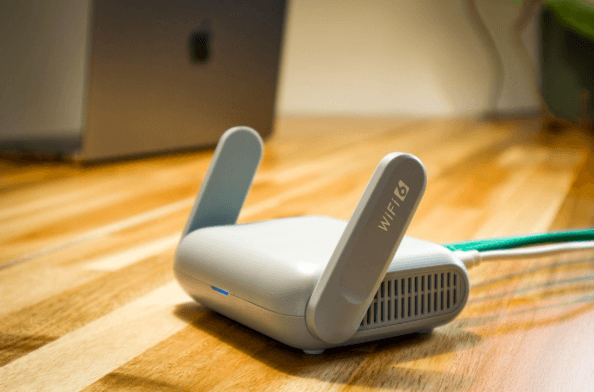
Why Guest Wi-Fi Should Be Separate From Your Business Network
Summary: Guest Wi-Fi should provide internet access while blocking connections to your internal business network. A different Wi-Fi name and password do not confirm that the networks are separated. The router, access points, and firewall must also be configured to prevent guest devices from reaching internal systems. Offering Wi-Fi to customers, contractors, and visitors is…
-

What Happens to Your Data When You Cancel a Cloud Service?
Summary: Before canceling a cloud service, export your data and confirm that the files can be opened or imported. Move any connected applications and sign-ins, then check the provider’s current rules for access, billing, retention, and deletion. A cloud service may hold years of customer records, documents, emails, invoices, project history, or staff activity. If…
Archived posts
-
10 Easy Steps to Building a Culture of Cyber Awareness
Cyberattacks are a constant threat in today’s digital world. Phishing emails, malware downloads, and data breaches. They can cripple businesses and devastate personal lives. Employee error is the reason many threats get introduced to a business network. A lack of cybersecurity awareness is generally the culprit. People don’t know any better, so they accidentally click…
-
What Were the Coolest Consumer Products Showcased at CES 2024?
The annual Consumer Electronics Show (CES) was an exciting one this year. It left us with a mind-blowing glimpse into the future of technology. CES 2024 showcased a smorgasbord of cutting-edge gadgets. Including transparent TVs and robot pet buddies. These gadgets promise to revolutionize our homes and the way we interact with the world. With…
-
Smart Tips for Building a Smart Home on a Budget
Imagine a world where your lights turn on automatically as you walk in the door. Your coffee starts brewing before you even crawl out of bed. A simple voice command adjusts the temperature to your perfect setting. This is no longer just something out of a sci-fi movie. Today’s smart technology seamlessly integrates with your…