Blog
-

Small Business IT Budget: What to Include and How to Plan It
Summary: Your IT budget should include the technology you already use, the support required to maintain it, and the upgrades you expect to make during the year. It should also cover cybersecurity, backups, employee changes, planned projects, and a reserve for urgent repairs or replacements. If your IT budget only covers computers, Microsoft 365, and…
-
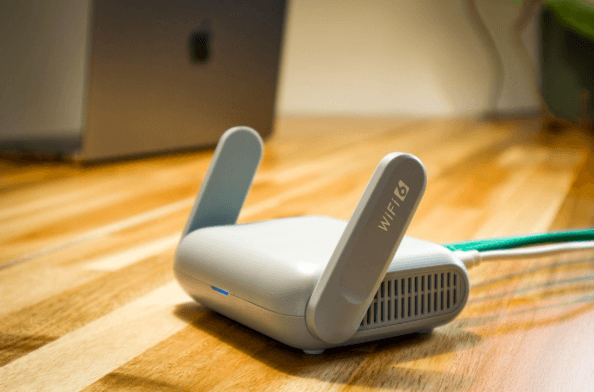
Why Guest Wi-Fi Should Be Separate From Your Business Network
Summary: Guest Wi-Fi should provide internet access while blocking connections to your internal business network. A different Wi-Fi name and password do not confirm that the networks are separated. The router, access points, and firewall must also be configured to prevent guest devices from reaching internal systems. Offering Wi-Fi to customers, contractors, and visitors is…
-

What Happens to Your Data When You Cancel a Cloud Service?
Summary: Before canceling a cloud service, export your data and confirm that the files can be opened or imported. Move any connected applications and sign-ins, then check the provider’s current rules for access, billing, retention, and deletion. A cloud service may hold years of customer records, documents, emails, invoices, project history, or staff activity. If…
Archived posts
-
The 2026 Guide to Uncovering Unsanctioned Cloud Apps
If you want to uncover unsanctioned cloud apps, don’t begin with a policy. Start with your browser history. The cloud environment most businesses actually use rarely matches the one shown on the IT diagram. It’s built through countless small shortcuts: a “just this once” file share, a free tool that solves one problem faster, a…
-
Stop Ransomware in Its Tracks: A 5-Step Proactive Defense Plan
Ransomware isn’t a jump scare. It’s a slow build. In many cases, it begins days, or even weeks, before encryption, with something mundane, like a login that never should have succeeded. That’s why an effective ransomware defense plan is about more than deploying anti-malware. It’s about preventing unauthorized access from gaining traction. Here’s a five-step…
-
How to Run a “Shadow AI” Audit Without Slowing Down Your Team
It usually starts small. Someone uses an AI tool to refine a difficult email. Someone enables an AI add-on inside a SaaS app because it promises to save an hour a week. Someone pastes a paragraph into a chatbot to “make it sound better.” Then it becomes routine. And once it’s routine, it stops being…