Blog
-

Small Business IT Budget: What to Include and How to Plan It
Summary: Your IT budget should include the technology you already use, the support required to maintain it, and the upgrades you expect to make during the year. It should also cover cybersecurity, backups, employee changes, planned projects, and a reserve for urgent repairs or replacements. If your IT budget only covers computers, Microsoft 365, and…
-
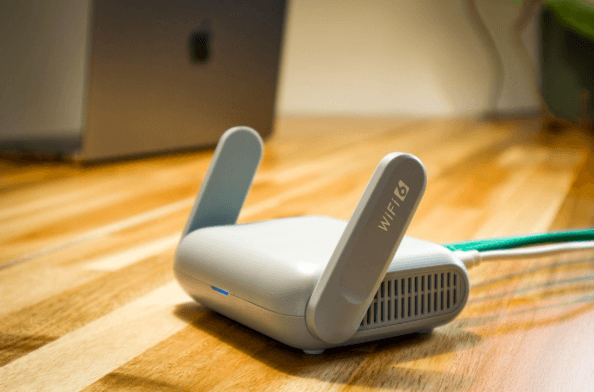
Why Guest Wi-Fi Should Be Separate From Your Business Network
Summary: Guest Wi-Fi should provide internet access while blocking connections to your internal business network. A different Wi-Fi name and password do not confirm that the networks are separated. The router, access points, and firewall must also be configured to prevent guest devices from reaching internal systems. Offering Wi-Fi to customers, contractors, and visitors is…
-

What Happens to Your Data When You Cancel a Cloud Service?
Summary: Before canceling a cloud service, export your data and confirm that the files can be opened or imported. Move any connected applications and sign-ins, then check the provider’s current rules for access, billing, retention, and deletion. A cloud service may hold years of customer records, documents, emails, invoices, project history, or staff activity. If…
Archived posts
-
How to Keep Your Business Running When Microsoft 365 Goes Down
Summary: The tools that run your business, like Microsoft 365, your accounting app, or your booking system, are reliable most of the time, but they do go down. When one does, work can stop for hours, and you often can’t do anything but wait for the provider to fix it. A simple plan keeps your…
-
OneDrive or SharePoint? Where Your Business Files Should Live
Summary: If your business uses Microsoft 365, you have both OneDrive and SharePoint, and files usually end up scattered across them with no clear rule. OneDrive is for your own work, and SharePoint is for files the team shares. Getting this right makes files easier to find, safer when someone leaves, and easier to recover…
-
Is Your Business Website a Security Risk?
Summary: Most small-business websites run on WordPress, and the biggest risk is usually old plugins that nobody has updated. Attackers scan the web for these known weak spots and use the sites they find to spread malware, post spam, or steal what visitors type into forms. Keeping the site and its plugins updated, and knowing…