Blog
-

Small Business IT Budget: What to Include and How to Plan It
Summary: Your IT budget should include the technology you already use, the support required to maintain it, and the upgrades you expect to make during the year. It should also cover cybersecurity, backups, employee changes, planned projects, and a reserve for urgent repairs or replacements. If your IT budget only covers computers, Microsoft 365, and…
-
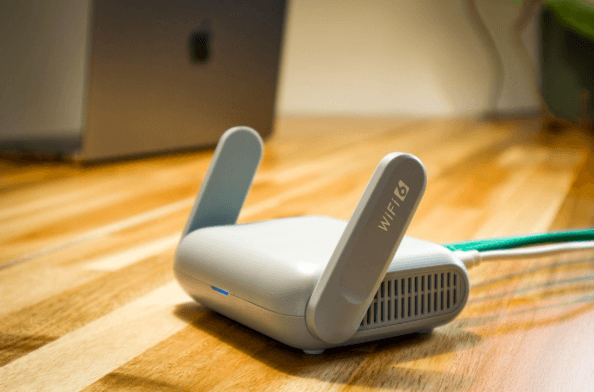
Why Guest Wi-Fi Should Be Separate From Your Business Network
Summary: Guest Wi-Fi should provide internet access while blocking connections to your internal business network. A different Wi-Fi name and password do not confirm that the networks are separated. The router, access points, and firewall must also be configured to prevent guest devices from reaching internal systems. Offering Wi-Fi to customers, contractors, and visitors is…
-

What Happens to Your Data When You Cancel a Cloud Service?
Summary: Before canceling a cloud service, export your data and confirm that the files can be opened or imported. Move any connected applications and sign-ins, then check the provider’s current rules for access, billing, retention, and deletion. A cloud service may hold years of customer records, documents, emails, invoices, project history, or staff activity. If…
Archived posts
-
The Supply Chain Trap: Why Your Vendors Are Your Biggest Security Risk
You invested in a great firewall, trained your team on phishing, and now you feel secure. But what about your accounting firm’s security? Your cloud hosting provider? The SaaS tool your marketing team loves? Each vendor is a digital door into your business. If they leave it unlocked, you are also vulnerable. This is the…
-
The “Insider Threat” You Overlooked: Proper Employee Offboarding
Imagine a former employee, maybe someone who didn’t leave on the best terms. Their login still works, their company email still forwards messages, and they can still access the project management tool, cloud storage, and customer database. This isn’t a hypothetical scenario; it’s a daily reality for many small businesses that treat offboarding as an…
-
The 2026 Hybrid Strategy: Why “Cloud-Only” Might Be a Mistake
Since cloud computing became mainstream, promising agility, simplicity, offloaded maintenance, and scalability, the message was clear: “Move everything to the cloud.” But once the initial migration wave settled, the challenges became apparent. Some workloads thrive in the cloud, while others become more complex, slower, or more expensive. The smart strategy for 2026 is a pragmatic…